FOLKS’ Creative Director Phil Prates on keeping leadership — and VFX work — real
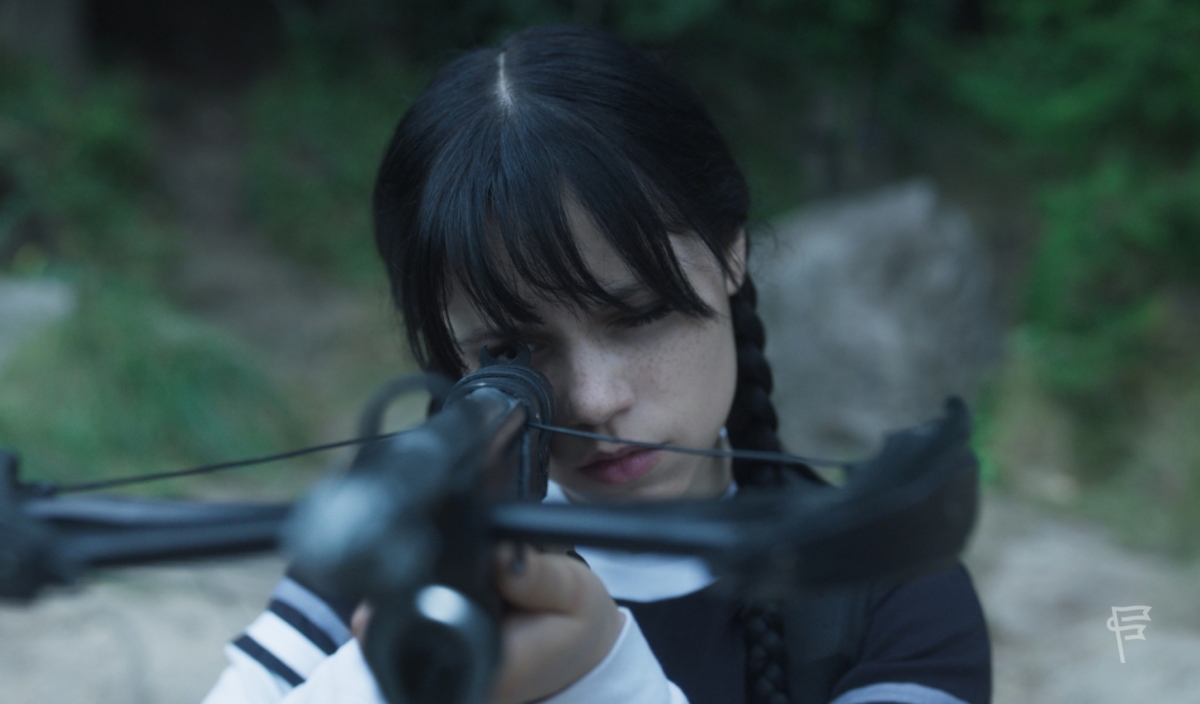
For FOLKS Creative Director Phil Prates, leadership is less about having all the answers than knowing how to help people find them.
His path from editorial and commercial VFX to supervision has shaped a way of working built around curiosity, clarity, and collaboration, with a strong technical instinct and an even stronger belief that the best work happens when people feel empowered enough to do it.
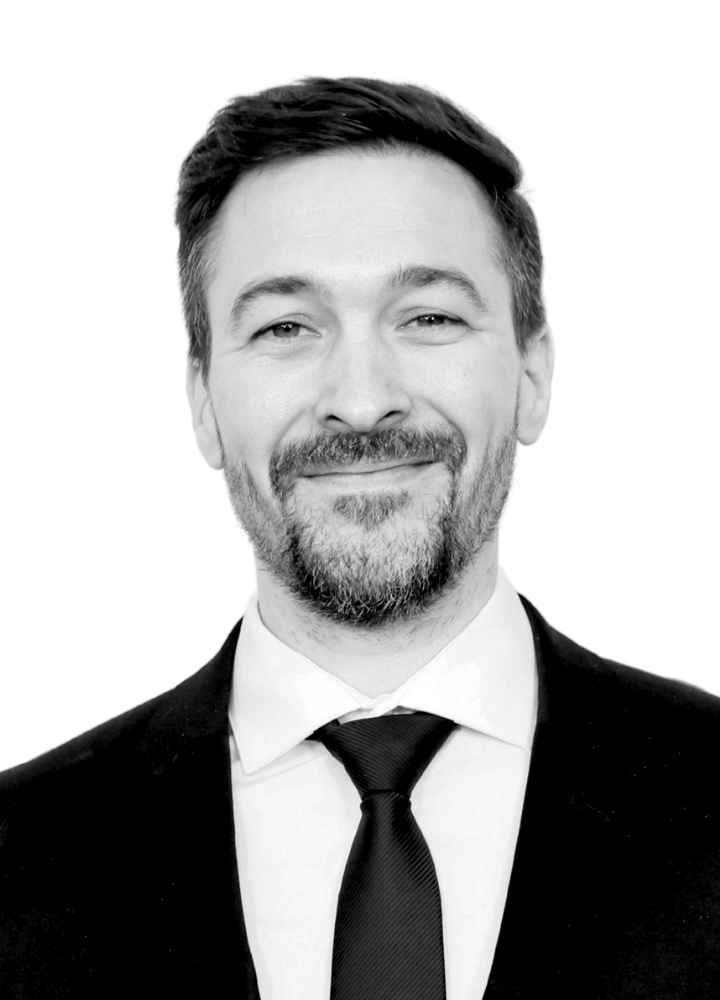
A film class blew up my original career plan
I was gearing up to be a computer engineer in high school. I had geometry & discrete math, physics, and calculus all in the same semester, so I took a film class because I thought it would give me somewhere to do my homework.
After taking that class, the next year, I thought, I need to change what I’m going to do with my life. Movies are what I love. I changed all my classes around: creative writing, filmmaking, and photography, then went to film school. When I started working at commercial shops, I mostly did editorial, until more and more visual effects pieces started creeping into the work and editorial was only half of what I was doing.
Then I accidentally walked into a VES party
I came across people on a patio talking about visual effects, using words I recognized from the industry. I started talking to them, and they kept putting job titles on what I told them I did: compositor, lighter, then animator. And I was thinking, Well, I guess I actually do all of these things.
That was commercial VFX. You were a generalist. You did a bit of everything.
Eventually they convinced me to talk to Pixomondo, who offered me a job as a senior compositor. On my first day, I tried to open the lighting file because I wanted to change the lighting angle. I turned to the compositor beside me and asked how to open it.
They said, “You don’t.”
That was a real moment for me. I realized very quickly that I wasn’t comfortable only having my hands in a narrow slice of the work. I wanted to see the whole thing and help shape it.
“I think of myself as a creative vision translator. I want the team to know what they need to do instead of having to guess.”
Learning to translate creative intent
I moved quickly from compositing into comp supervision, then visual effects supervision.
The way I supervise goes back to my commercial background. In commercial VFX, the client was often looking over your shoulder, pointing and saying, “Can you goose that up?” You just had to know what they meant.
I learned early how to translate client language into something an artist could act on. And that’s stayed with me. I think of myself as a creative vision translator. I want the team to know what they need to do instead of having to guess.
Even if it’s fantastical, it should still feel real
On the creative side, I’m very picky.
I want things to feel photoreal. Even if it’s the most fantastical, crazy visual effect, I’m always looking for something in the real world that can ground it.
If you want a magical plasma beam coming out of somebody’s hand, I still want it to feel like real optical-quality plasma. Maybe we’re looking at solar flares or another physical reference that gives it a reality. That’s just the way my eye works. I like things to feel physically accurate.
“Even the most fantastical visual effect, I like to find some way to ground it in something real.”
Over time, you build tools and techniques around that eye. There are things my teams know to use because I’ve set them up to help us get to that photographic result.
Making connections makes people — and work — better
The opportunity now as a Creative Director at FOLKS is to make more of that knowledge available across teams. We have all these amazing techniques and tools, but sometimes they get wrapped up in one show and disappear when the show ends. I want to help connect it. I want to make sure people know what exists, understand why they’re useful, and decide when to use them. The more you can share, the better.
I’m a very technical supervisor. If there’s a tool that doesn’t work, build something that does. I’m more interested in How do we get this done? than waiting until everything is flawless. So, if somebody runs into a problem and can’t break through it, I want them to ask me. Maybe I solve it with them. Even better, maybe I can show them something and next time, they're the one sharing it and making the whole team stronger.
I don’t want development to feel like some formal education program. I think of it more like a buddy system. Sometimes it might mean having someone shadow on a client call so they can see how that conversation works or helping them through their first on-set experience. Part of the lesson is realizing you hit challenges, but you work through it.
And when you can match people with work they’re excited about, the results are even better. Maybe they’ve always wanted to work with that director or there’s a type of project they’ve always wanted to do. You can get the work done without making that match, but not as smoothly as when somebody is genuinely excited to be there.
“With machine learning, it doesn’t start with, “We’re going to make an ML thing.” It starts with what you want to see on the screen, and then we’ll figure out the right way to get that...”
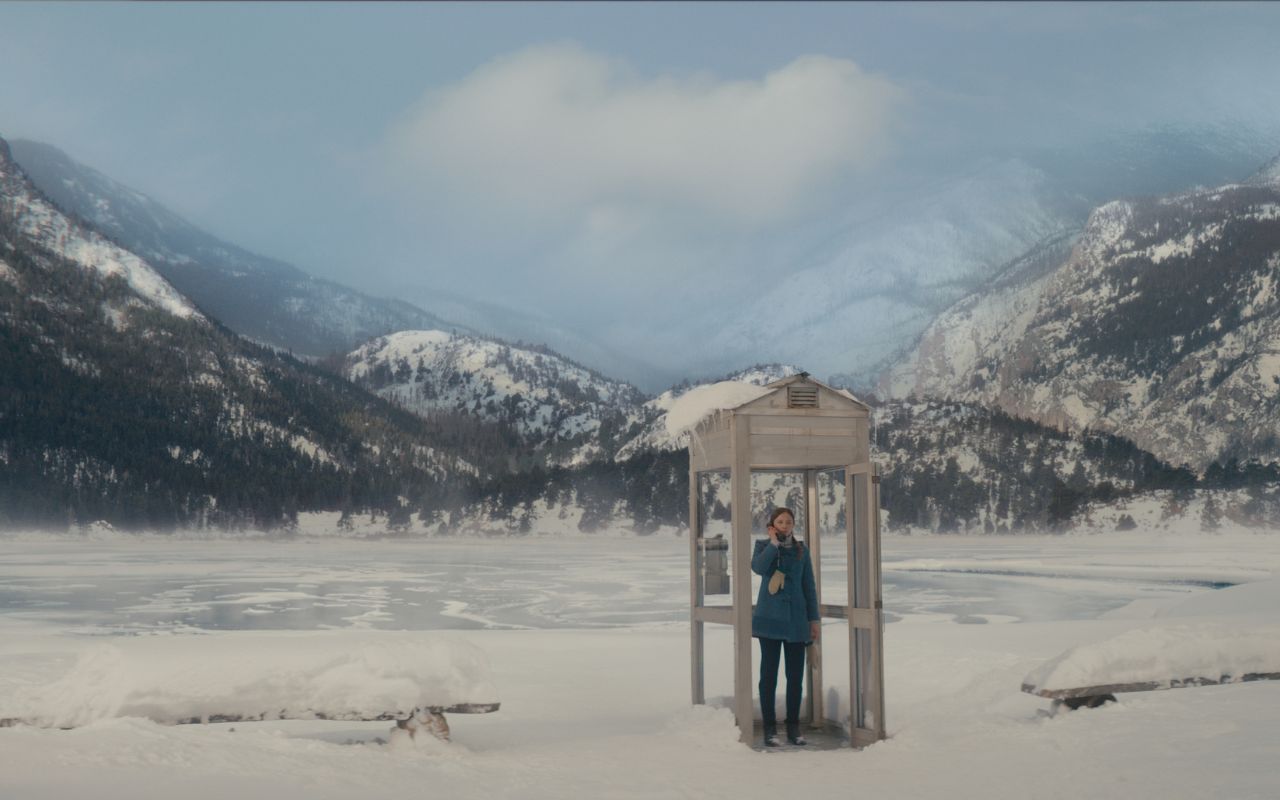
ML or something else: use the tool that solves the problem
That same thinking applies to technology. I’m always eager to try a new tool and figure out where it fits into the bigger picture of making an image.
With machine learning (ML), it doesn’t start with, “We’re going to make an ML thing.” It starts with what you want to see on the screen, and then we’ll figure out the right way to get that, whether ML or a classic VFX solution. If you need a hammer, use a hammer. If you need a screwdriver, use a screwdriver.
That’s one of the things I appreciate about REVIZE: it’s about tools for artists and real production problems, not about replacing the creative process. If anything, it helps stimulate the creative process by speeding up the slow, laborious tasks, giving the creative team new ways to interact with the images. Technology is always exciting, I’m never afraid of it, but I want to know how we actually use it, how it can help us push our craft, and allow us to focus on the images we create. Not how somebody packages it or sells it to us.
“In the end, it looked so good that it won a VES Award…That was a phenomenal feeling.”
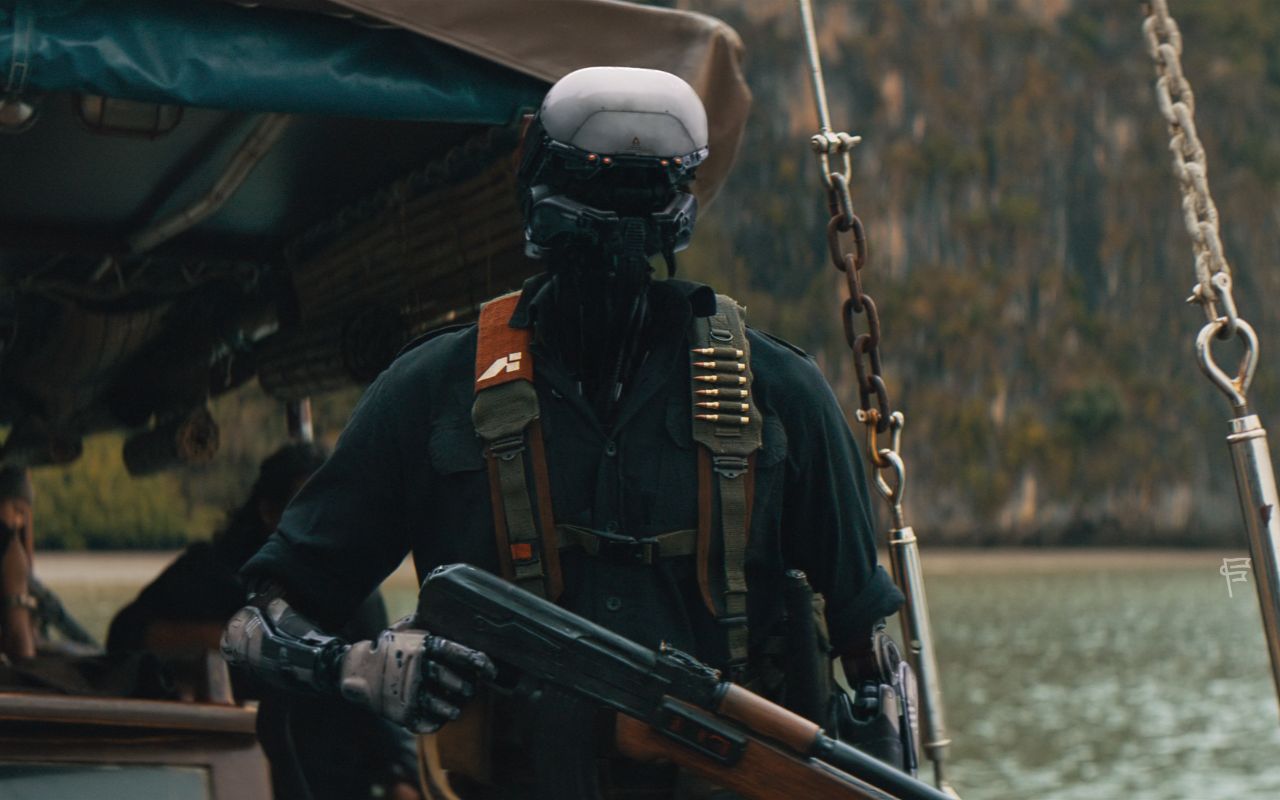
The big (and smaller) moments
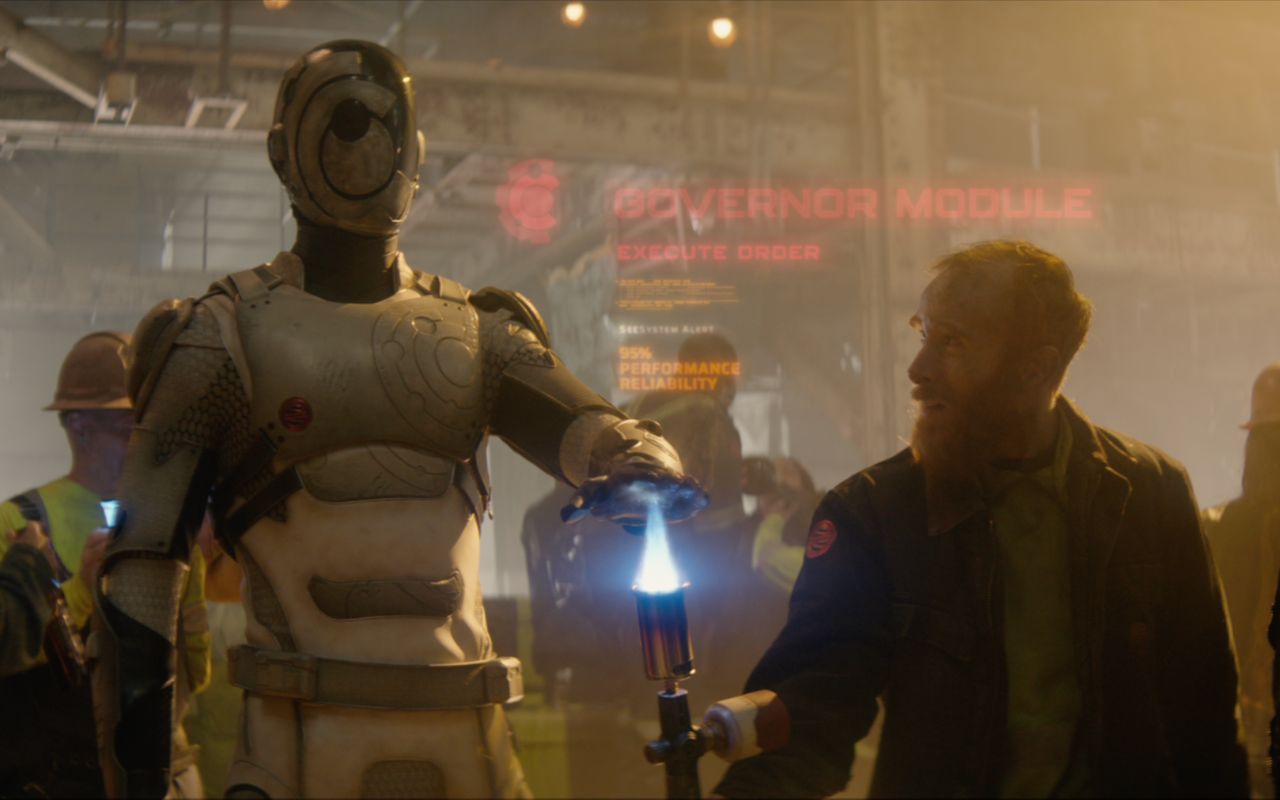
The Creator became the project I’m probably the proudest of. It asked the whole team to step up. We came in nearing the end of the project, with characters, environments and all kinds of different work thrown at us. It felt like old-school visual effects: we had to combine things, solve a million problems at once, and keep moving.
In the end, it looked so good that it won a VES Award. I remember leaving the ceremony in the car with Seb [Bergeron], and him telling me it was the first award FOLKS had ever won. That was a phenomenal feeling.
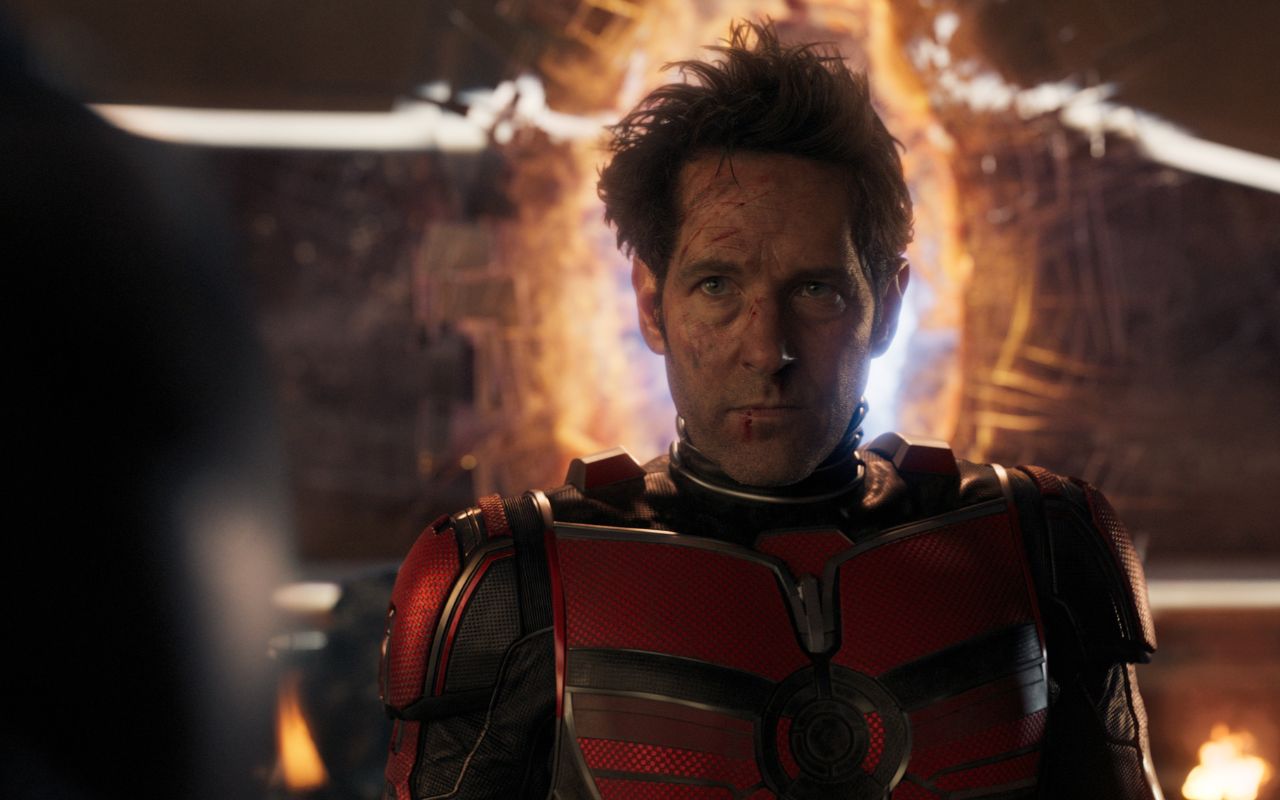
But I also loved working on Ant-Man and the Wasp: Quantumania because of the collaboration with Rising Sun Pictures (RSP). In 2019, I moved to Australia to work with RSP and quickly felt like a core member of the team. Years later, when the opportunity arose to collaborate again, I was thrilled. We brought our teams together and worked across our studios in a meaningful way.
There are also smaller moments that mean a lot, like you build a pipeline for a show and suddenly something that used to be hard just works. Artists can focus on the image rather than fighting the process and enjoy what they’re doing. Those moments are incredibly rewarding.
We need to solve the image. And that’s a team sport.
I’ve never thought of myself as somebody standing apart from the team just because I’m a leader. I’m sitting beside you. I open the tools and tinker with things. I don’t want anyone to feel like I’m somebody they can’t reach out to. Just text me. Chat with me.
We all have one goal: we need to solve the image. And that’s a team sport.


